
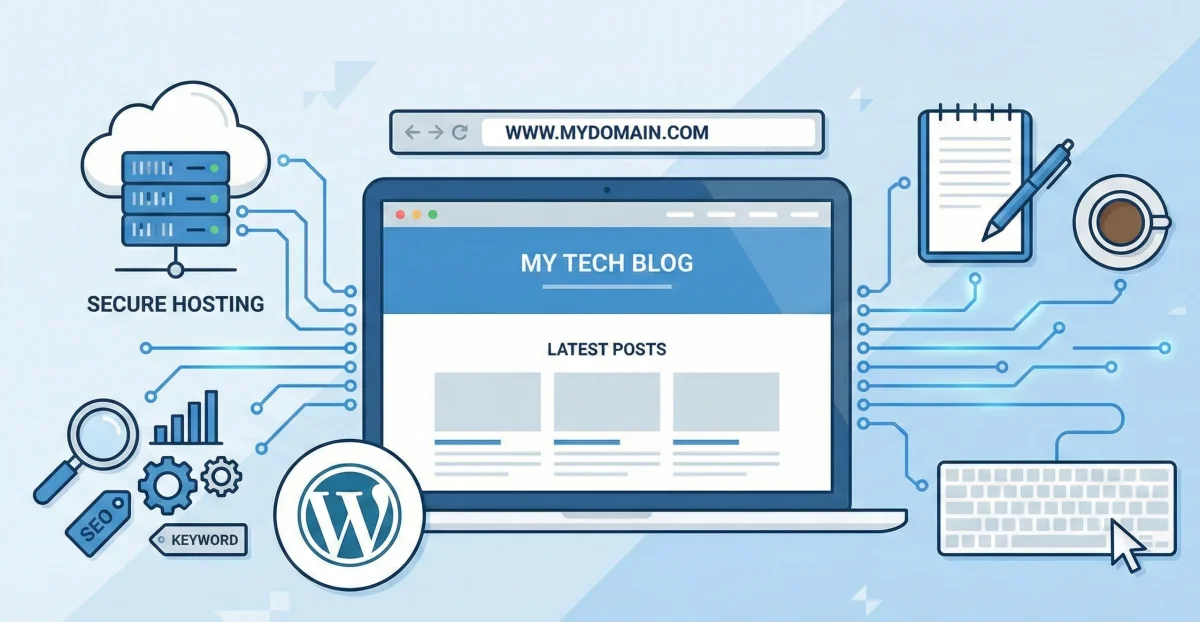
How to Start a Blog in 2026 and Make Money: Beginner to Pro Guide
Table of Contents
- What Is a Blog and Why Should You Start One?
- Step 1: Choose a Profitable Blog Niche
- Step 2: Buy Domain Name & Hosting
- Step 3: Choose a Web Hosting Provider
- Step 4: Choose Blogging Platform (WordPress vs Blogger)
- Step 5: Choose a Fast WordPress Theme
- Step 6: Install Important WordPress Plugins
- Step 7: Keyword Research for Blog Content
- Step 8: How to Write SEO-Friendly Blog Posts
- Step 9: How to Write Engaging Blog Content
- Step 10: How to Monetize a Blog
- Step 11: Types of Domain Names
- Step 12: Why .COM Domain Is Important
- Step 13: Best Hosting Recommendation
- Final Thoughts
How to Start a Blog in 2026: Complete Step-by-Step Guide for Beginners
Starting a blog in 2026 is one of the best ways to build an online presence, share knowledge, and even earn money online. Whether you want to blog as a hobby or create a full-time income source, this guide will walk you through everything step by step.
What Is a Blog and Why Should You Start One?
A blog is a website that is regularly updated with new content in the form of articles or posts. Blogs can be personal, professional, or business-oriented.
Why Start a Blog?
-
Share knowledge and ideas
-
Build an online brand
-
Improve writing and communication skills
-
Earn money online
-
Grow authority in a niche
-
Promote business or services
Blogging requires time and consistency, but with the right strategy, it can become a powerful long-term asset.
Step 1: Choose a Profitable Blog Niche
Choosing the right niche is the foundation of a successful blog.
How to Select a Profitable Niche:
-
Choose a topic you are passionate about
-
Make sure people are searching for it
-
Check monetization potential
-
Analyze competition
-
Solve a problem for readers
Popular Blog Niches in 2026:
-
Technology & AI
-
Blogging & SEO
-
Health & Fitness
-
Finance & Investing
-
Travel
-
Education
-
Affiliate Marketing
Micro-Niche Example:
-
Fitness → Home workouts
-
Technology → AI tools
-
Travel → Budget travel in India
Micro-niches have less competition and higher conversion rates.
Step 2: Buy Domain Name & Hosting
Choose a Domain Name
A domain name should be:
-
Short and easy to remember
-
Brandable
-
Related to your niche
-
Preferably
.com
Recommended Domain Providers:
-
GoDaddy
-
Namecheap
-
Google Domains
Step 3: Choose a Web Hosting Provider
Web hosting stores your website files and makes them accessible online.
Types of Web Hosting:
Shared Hosting
-
Cheapest option
-
Best for beginners
VPS Hosting
-
More power and control
-
Best for growing websites
Dedicated Hosting
-
Full server control
-
Expensive but powerful
Cloud Hosting
-
Highly scalable
-
Best for traffic spikes
Managed Hosting
-
Hosting company handles everything
Best Hosting Providers (2026)
✔ Hostinger – Best performance & pricing
✔ Namecheap – Best for domain + hosting
✔ Bluehost – Beginner-friendly
✔ DreamHost – Reliable & affordable
Step 4: Choose Blogging Platform (WordPress vs Blogger)
WordPress
✔ Highly customizable
✔ SEO-friendly
✔ Thousands of themes & plugins
✔ Best for long-term growth
❌ Needs hosting
❌ Slight learning curve
Blogger
✔ Free
✔ Easy to use
✔ Google-owned
❌ Limited customization
❌ Not ideal for business blogging
👉 Winner: WordPress.org
Step 5: Choose a Fast WordPress Theme
A good theme improves SEO and user experience.
Best Fast Themes for 2026:
-
Astra
-
GeneratePress
-
Neve
-
OceanWP
-
Page Builder Framework
Choose a theme that is:
✔ Lightweight
✔ Mobile responsive
✔ SEO optimized
Step 6: Install Important WordPress Plugins
Must-Have Plugins:
-
Yoast SEO / RankMath – SEO
-
WP Rocket – Speed optimization
-
Elementor – Page builder
-
UpdraftPlus – Backup
-
Akismet – Spam protection
-
MonsterInsights – Analytics
-
Optimole – Image optimization
Step 7: Keyword Research for Blog Content
Keyword research helps your blog rank on Google.
Best Free & Paid Tools:
-
Google Keyword Planner
-
Google Trends
-
Ubersuggest
-
Ahrefs
-
SEMrush
-
AnswerThePublic
-
ChatGPT
-
Google Search Console
Choose keywords with:
✔ High search volume
✔ Low competition
✔ Buyer intent
Step 8: How to Write SEO-Friendly Blog Posts
On-Page SEO Checklist:
-
Use keyword in title
-
Write SEO meta description
-
Use H1, H2, H3 headings
-
Optimize images with alt tags
-
Internal & external links
-
Mobile-friendly layout
-
Fast loading speed
Step 9: How to Write Engaging Blog Content
✔ Use storytelling
✔ Write in simple language
✔ Add images & videos
✔ Use bullet points
✔ Add call-to-action
✔ Solve reader problems
Step 10: How to Monetize a Blog
Best Ways to Earn Money:
-
Google AdSense
-
Affiliate Marketing
-
Sponsored posts
-
Digital products
-
Online courses
-
Freelancing
-
Membership sites
Step 11: Types of Domain Names
Common Domain Types:
-
TLDs: .com, .org, .net
-
ccTLDs: .in, .uk, .us
-
Subdomains: blog.example.com
👉 .com is best for branding and trust.
Step 12: Why .COM Domain Is Important
✔ Trusted worldwide
✔ Better branding
✔ Higher click-through rate
✔ Easy to remember
✔ SEO friendly
Step 13: Best Hosting Recommendation
🔥 Hostinger (Best Overall)
-
Fast LiteSpeed servers
-
Free SSL
-
Low cost
-
99.9% uptime
🎁 Coupon Code: DISCOUNT7
Final Thoughts
Starting a blog in 2026 is still one of the best online opportunities. With the right niche, proper SEO, quality content, and consistency, you can build a profitable blog within months.
✔ Choose a niche wisely
✔ Use WordPress
✔ Focus on SEO
✔ Publish quality content
✔ Monetize smartly

Akash
Founder & Content Writer
Founder of Toolszu, creating practical content around technology, AI, online tools, SEO, and digital productivity. Akash focuses on building useful digital solutions and sharing insights that help people work smarter.