
Direct vs. Accidental Plagiarism – What They Are & How to Avoid Them
Table of Contents
Direct vs Accidental Plagiarism: Complete Guide for 2025
Plagiarism is the act of using someone else’s work, ideas, or expressions without giving proper credit. It is considered a serious academic and professional offense that can damage credibility, reputation, and even lead to legal consequences. Plagiarism mainly falls into two categories: direct plagiarism and accidental plagiarism. Understanding the difference between them is essential to maintain originality and ethical writing standards.
What Is Direct Plagiarism?
Direct plagiarism, also known as verbatim or intentional plagiarism, occurs when someone copies another person’s work word for word without providing proper citation or quotation marks. This type of plagiarism is deliberate and considered the most serious form.
Direct plagiarism usually happens when a person copies text from a book, blog, research paper, or website and presents it as their own. Submitting someone else’s assignment or copying content without credit are clear examples of direct plagiarism.
To avoid direct plagiarism, always use quotation marks when copying exact text, cite the original source properly, and paraphrase content in your own words while still giving credit. Using a plagiarism detection tool before submission can help identify copied content.
You can check your content using the free Plagiarism Checker available on Toolszu at https://toolszu.com/onlinetools/plagiarism-checker
What Is Accidental Plagiarism?
Accidental plagiarism happens when someone unintentionally uses another person’s work without proper attribution. This usually occurs due to lack of knowledge, improper citation, poor paraphrasing, or careless note-taking.
Common examples include forgetting to cite a source, paraphrasing too closely to the original text, or assuming information is common knowledge when it is not. Even though it is unintentional, accidental plagiarism is still considered a violation in academic and professional settings.
To avoid accidental plagiarism, it is important to understand citation rules, keep track of all references, and double-check your work before submission. Using a plagiarism checker helps identify unintentional similarities.
Key Differences Between Direct and Accidental Plagiarism
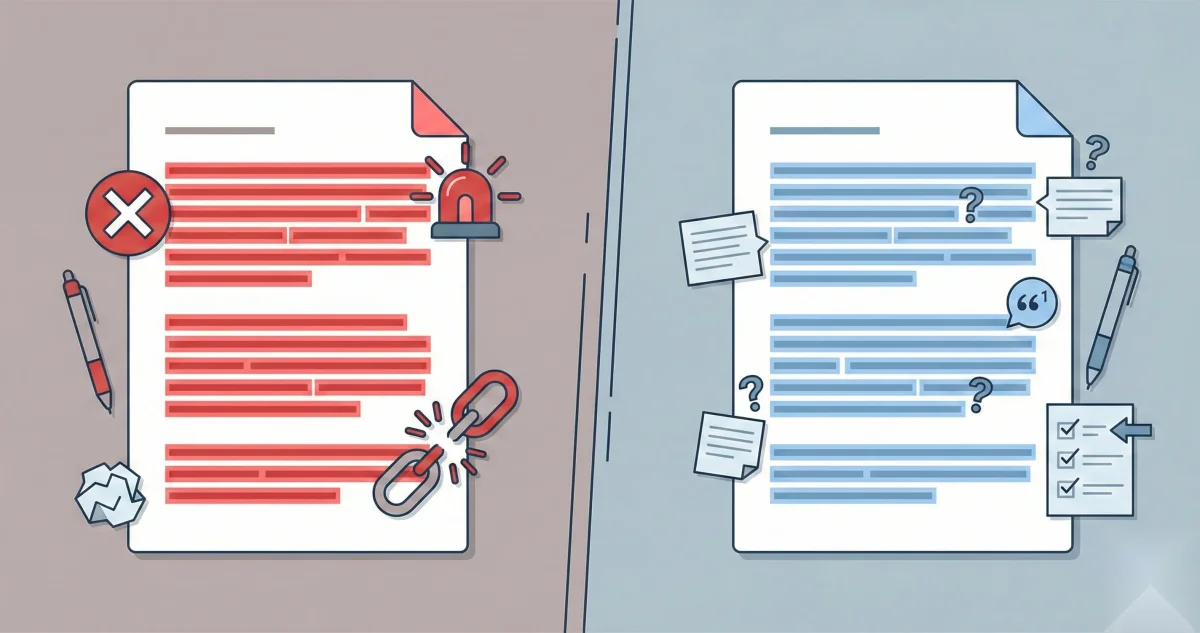
Direct plagiarism is intentional and involves copying content word-for-word without credit. Accidental plagiarism is unintentional and usually happens due to missing citations or poor paraphrasing. Direct plagiarism is considered more severe, while accidental plagiarism still carries penalties but is often easier to correct.
How to Avoid Both Types of Plagiarism
Always cite your sources properly using the required format such as APA, MLA, or Chicago. Use quotation marks when directly quoting text. Paraphrase content in your own words instead of simply changing a few words. Keep a record of all references while researching. Use plagiarism detection tools before publishing or submitting content. When unsure, it is better to cite the source than risk plagiarism.
You can also use the advanced plagiarism checker on Toolszu to scan your content accurately at https://toolszu.com/onlinetools/plagiarism-checker-pro
Consequences of Plagiarism
Plagiarism can lead to serious consequences including academic penalties such as failing grades or expulsion, professional consequences like loss of credibility or job termination, and legal issues related to copyright infringement. Even accidental plagiarism can damage trust and reputation if not corrected.
Final Thoughts
Understanding the difference between direct and accidental plagiarism is essential for students, writers, bloggers, and professionals. While direct plagiarism is intentional and more serious, accidental plagiarism can also cause problems if ignored. The best way to avoid plagiarism is to write original content, cite sources properly, and use reliable plagiarism checking tools before publishing.
Using tools like the Toolszu Plagiarism Checker helps ensure your content is original, ethical, and safe to publish.